
Key Takeaways
- You may need food allergy testing if you often get hives, swelling, belly pain, or other symptoms soon after eating a certain food.
- Food allergy symptoms usually start within a few minutes to two hours after eating, so timing is one of the best clues.
- Signs of a severe reaction, such as trouble breathing or a swollen throat, need emergency care right away, not a testing appointment.
- Keeping a simple food and symptom log before your visit helps your doctor choose the right test.
- Newtown Gastroenterology offers food allergy and intolerance testing at offices in Queens, Brooklyn, Manhattan, and Great Neck, so you can request an appointment online with Newtown Gastroenterology and get clear answers.
Common Signs of a Food Allergy
A food allergy happens when your immune system treats a food as a threat. Your body then releases chemicals that cause symptoms. Food allergy is common. It affects an estimated 10% of the general population and about 8% of children, according to Mayo Clinic's guide to food allergy symptoms and causes.
The most common signs of food allergy include:
- A rash, itchiness, raised patches, or swelling on the skin
- Itching or swelling of the lips, face, tongue, or throat
- Watery, itchy, or swollen eyes
- Belly pain, upset stomach, diarrhea, or vomiting
- A stuffy or runny nose
- Wheezing, coughing, or trouble breathing
- Dizziness, lightheadedness, or fainting
When Food Reactions Show Up in Your Gut
Many food reactions cause digestive symptoms. Stomach pain, diarrhea, and nausea can come from a food allergy. They can also come from a food intolerance or another gastrointestinal (GI) condition. If your main symptoms are abdominal pain after eating or frequent diarrhea, a gastroenterologist (a doctor who treats the digestive system) can help sort out the cause.
How Reaction Timing Helps Identify a Possible Allergy
When symptoms start can tell you a lot. Food allergy symptoms usually begin within a few minutes to two hours after eating the food. They also tend to happen every time you eat that food.
Food intolerances work differently. Many people with an intolerance can eat small amounts of the food without problems. With an allergy, even a tiny amount can cause a reaction. You can read more in the American Academy of Allergy, Asthma & Immunology (AAAAI) guide to food intolerance versus food allergy.
Ask yourself these questions:
- Did symptoms start soon after eating?
- Do they happen every time I eat this food?
- Do I react even to a small bite?
If you answer 'yes' to these questions, an allergy is more likely, and testing is a smart next step.
Mild vs. Severe Allergic Reactions
Food allergy reactions can range from mild to life-threatening. The most serious reaction is called anaphylaxis (an-a-fi-LAK-sis), a severe allergic reaction that can affect breathing and blood pressure.
| Reaction Level | What It May Look Like | What to Do |
|---|---|---|
| Mild to moderate | Itchy mouth, hives, a rash, an upset stomach, or diarrhea | Avoid the suspected food, write down what happened, and schedule an evaluation |
| Severe (anaphylaxis) | Tight airways, a swollen throat, a drop in blood pressure, rapid pulse, confusion, or fainting | Call 911 or get emergency care right away |
Emergency treatment is critical for anaphylaxis. Testing is for finding answers after a reaction, not for treating one in progress.
What to Track Before Your Appointment
A food and symptom log helps your doctor see patterns. For each reaction, write down:
- What you ate: List the food and any sauces or toppings.
- How much you ate: A bite, a serving, or more.
- How it was prepared: Cooked, raw, or packaged.
- Timing: How long it took for symptoms to start and how long they lasted.
- Symptoms: Skin, stomach, breathing, or other changes.
- Experience: Whether you have eaten this food before without a reaction.
- Medicines: Any over-the-counter medicines you took, plus all of your regular medicines, vitamins, and supplements.
- Family history: Whether anyone in your family has allergies or asthma.
If you think you have a food allergy, avoid that food until your appointment.
How Food Allergy Testing Confirms or Rules Out an Allergy
Newtown Gastroenterology's food allergy and intolerance testing services include two main allergy tests, plus a supervised food challenge when needed:
- Skin prick test: A small amount of a possible allergen is placed on your skin, and the surface is lightly pricked. A small bump or redness may mean an allergy. This quick test checks for common allergens such as nuts, dairy, and shellfish.
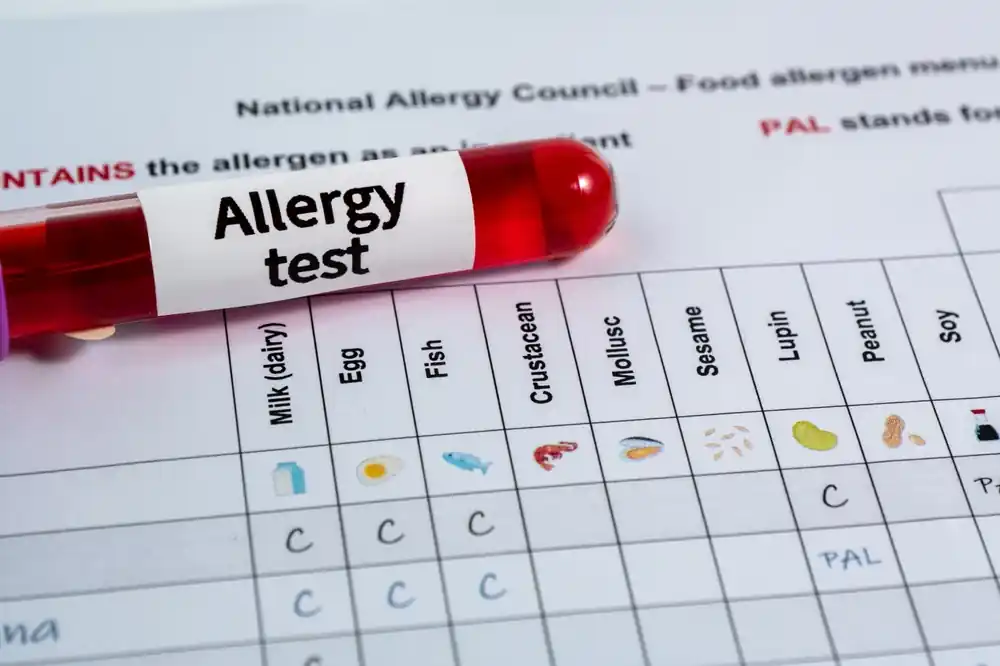
- Blood test: This test measures Immunoglobulin E (IgE) antibodies. IgE antibodies are proteins your immune system makes when it reacts to an allergen. A blood test is helpful if you can't have skin testing because of severe reactions or certain skin conditions.
- Oral food challenge: In some cases, you eat small amounts of the suspected food under medical supervision so the team can watch for a reaction.
Test results show whether your body has antibodies to a food. As Mayo Clinic's page on food allergy diagnosis explains, a positive result doesn't always mean you will react to that food. Your doctor uses the results, along with your history, to decide on next steps.
If testing rules out an allergy, Newtown Gastroenterology can also check for common intolerances. A hydrogen breath test can check for lactose, fructose, and sucrose intolerance.
Food Allergy Testing Near You in NYC and Great Neck
Newtown Gastroenterology has six office locations in Elmhurst, Flushing, Brooklyn, Bensonhurst, Manhattan, and Great Neck. If you are searching for a gastroenterologist in Great Neck, NY, or anywhere in New York City, expert care is close to home.
Find Out What's Behind Your Food Reactions at Newtown Gastroenterology
Frequent reactions after eating are worth checking, especially when they happen quickly and every time. Newtown Gastroenterology's board-certified gastroenterologists can help you find the cause and build a plan that fits your life.
Request an appointment online with Newtown Gastroenterology to schedule food allergy testing in New York at the location most convenient for you.
Frequently Asked Questions
What are the signs of food allergy in adults?
Common signs include hives, itching, swelling of the lips or face, belly pain, vomiting, diarrhea, a runny nose, and wheezing. These symptoms usually start within minutes to two hours after eating.
Where can I get food allergy testing in New York?
Newtown Gastroenterology offers food allergy testing at offices in Elmhurst, Flushing, Brooklyn, Bensonhurst, Manhattan, and Great Neck. You can request an appointment online.
Do I need a food allergy specialist in NYC or a gastroenterologist?
Allergists focus on allergies, and gastroenterologists focus on the digestive system. Food reactions often cause digestive symptoms, so Newtown Gastroenterology offers both allergy testing and intolerance testing in one place. This helps you find out which problem you have.
Does food allergy testing hurt?
A skin prick test is quick and only lightly pricks the surface of the skin. A blood test needs a standard blood draw.
Should I stop eating a food before my allergy test?
If you think a food causes an allergic reaction, avoid it until your appointment. Your care team will give you instructions about food and medicines before your test.
